
A washing machine is a washing machine, right?
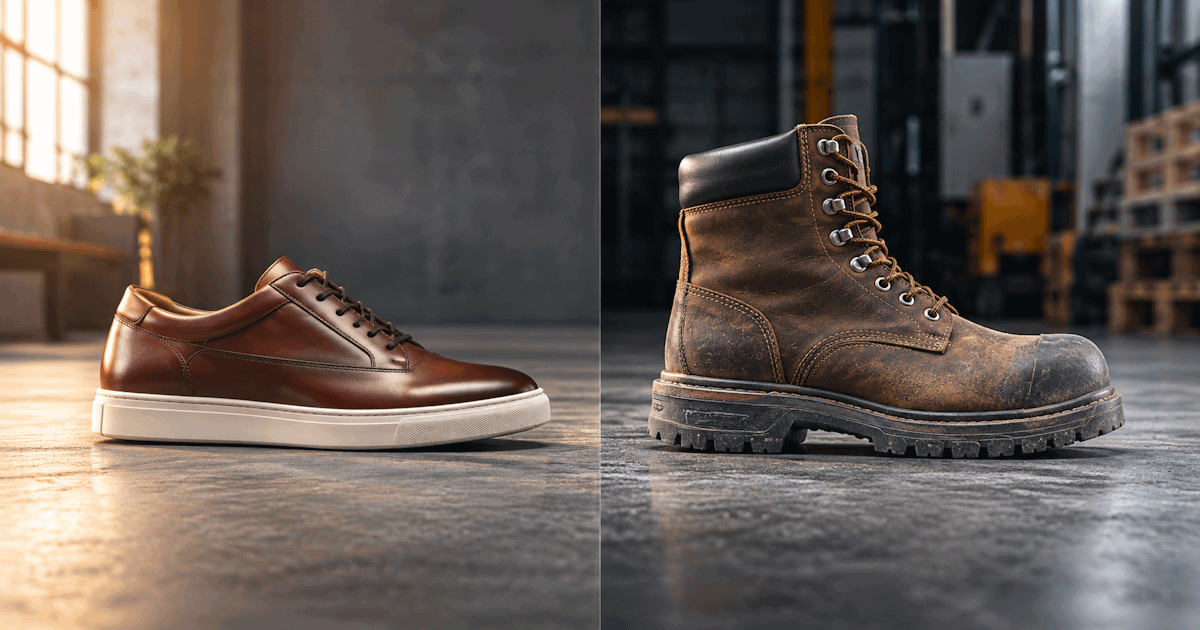
Nope. That's like saying a "shoe is a shoe".
A residential washing machine may cope perfectly well with normal household use. Put that same machine into a laundromat, early child education facility, salon, physio or other high-use laundry and the workload changes completely.
Commercial washers are designed for repeated daily use, higher workloads, easier servicing and longer-term operation in demanding environments. Domestic washing machines are designed around household use.
That difference matters more than the badge on the front.
It also matters because some consumer appliance brands now sell products labelled commercial, professional or heavy-duty that still share much of their construction and component philosophy with domestic machines.
As we discussed in last year’s Pretty, But With an Ugly Heart: It’s What’s on the Inside That Counts, the important differences are often the ones you cannot see from the showroom floor.
Bearings, motors, frames and suspension systems are what actually matter.
So What Is the REAL Difference Between Commercial and Domestic Washers?
The biggest difference is what each machine is designed to endure.
A household washer might complete several loads a week. A commercial washer is designed to run load after load throughout the day, sometimes across multiple shifts.
That completely changes how the machine needs to be built.
Purpose-built commercial laundry equipment generally uses more robust structural components, heavier-duty bearings and drive systems, stronger suspension, commercial controls and components designed to be serviced and replaced over a long working life. Domestic machines are designed for a different job. Manufacturers quite reasonably optimise them around household priorities such as appearance, quiet operation, energy ratings, features and purchase price.
Neither approach is wrong.
But problems happen when one is asked to do the other’s job.
Why Do Domestic Washers Struggle in Commercial Use?
Usually, there is no single dramatic failure.
It's cumulative stress.
More loads mean more operating hours. Bearings rotate more often. Pumps run more often. Door locks cycle more frequently. Suspension systems absorb more movement. Motors and electronics spend more time working and less time resting.
A domestic machine may continue operating for some time under that workload, but it is being asked to perform beyond the environment it was primarily designed for. And when something does fail, the consequences are very different. At home, a broken washer is inconvenient. In a business, it's a major hassle - uniforms or linen are critical to business operation - so you end up scrambling...
Commercial laundry equipment is not simply there to wash. It is part of the workflow.
That makes reliability and serviceability worth far more than the repair bill alone.
What Makes a Washer Truly Commercial?
Touchscreens are nice. Stainless finishes are nice. A large COMMERCIAL badge is also quite nice.
But none of those things tells you how the machine is built. The real commercial differences are usually inside the cabinet.
Depending on the machine, things worth looking for include:
- Materials designed to last decades, eg steel, not plastic
- Strong structural frames and bases
- Bearings sized for sustained use
- Robust, powerful motors and drive systems
- Reinforced suspension and tub construction
- Components that can be individually repaired or replaced
- Straightforward service access
- Controls designed around commercial operating requirements
- Long-term parts and technical support
None of this is particularly glamorous, which is exactly the point.
Commercial durability is mostly built out of things customers never see.
When “Commercial” Is More Marketing Than Engineering
This is where the comparison becomes less straightforward.
Some consumer appliance brands offer machines described as commercial, professional, or heavy-duty, even though the product still has a great deal in common with the brand’s residential platforms.
That does not automatically make the machine bad. It does mean buyers should ask a better question:
Was this machine genuinely designed as commercial equipment, or has a domestic platform been adapted and marketed for commercial use?
A badge does not tell you whether the machine has heavier bearings, a stronger frame, more robust suspension, serviceable components or a drive system engineered for sustained daily operation.
That is the point we made in Pretty, But With an Ugly Heart.
A machine can look impressively commercial from the outside and tell a very different story once the cabinet comes off.
A badge is cheap. Building a machine with quality components is not.
If you are comparing commercial washers, ask what has actually changed inside the machine.
That question cuts through the brochure quickly.
When Is a Domestic Washer Still Appropriate?
Not every business needs proper commercial laundry equipment.
If laundry volume is genuinely low, downtime is not operationally important and the intended use sits within the manufacturer’s warranty and operating requirements, a domestic machine may be perfectly adequate.
A small office washing tea towels twice a week is not the same thing as a motel turning over linen every morning.
The distinction is not simply business versus home.
It is workload, frequency and consequence.
-
How often will the machine run?
-
How hard will it work?
-
What happens if it stops?
If the answers are “not often”, “not very hard” and “not much”, domestic equipment may be enough.
Once those answers change, true commercial equipment is really what you need.
Is Commercial Laundry Equipment More Cost Effective?
Commercial machines do cost more upfront.
That is hardly surprising. Heavier components, stronger construction, commercial controls and equipment designed for a harder working life all cost money. But purchase price is only one part of the comparison.
For a business, the more useful question is:
What will this machine cost to own and operate over 5-10 years under the workload I actually have?
That includes:
- Initial purchase price
- Expected working life
- Repair frequency
- Parts availability
- Technician access
- Labour and throughput
- Water and energy use
- Cost of downtime
- Cost of premature replacement
A cheaper domestic washer may still be the right choice in a light-use application, but in a high-use laundry, repeated repairs, lost throughput or early replacement can make that “cheaper” machine remarkably expensive.
The cheapest washing machine is not necessarily the cheapest way to wash clothes.
Where Speed Queen Is Different
Speed Queen is not a consumer appliance company with a commercial range attached to the side.
Laundry is what we do. It's what we've always done.
Our commercial washers and dryers are designed around the needs of laundromats and commercial operators, with commercial construction, serviceable components, a broad range of capacities and controls designed for real laundry operations.
That matters when the machine is new. It matters even more later.
Commercial equipment eventually needs servicing. Parts eventually wear. Having experienced technicians, genuine parts and distributors who understand the equipment becomes increasingly important over a machine’s working life. You can read why that matters more than you might think.
A true commercial machine should not only be built to work hard.
It should be built to be supported while it does.
Final Thought
A casual shoe and a work boot are both perfectly good shoes. But if you wear the wrong one on a building site every day, the difference becomes obvious pretty quickly. Commercial laundry equipment is much the same. The difference is not what it is called. It is what it was designed to withstand.
For occasional light use, a domestic washer may make perfect sense.
For a business that depends on laundry every day, purpose-built commercial equipment is usually the safer and more cost-effective choice over the long term.
And if a machine says “commercial” on the front, do not stop there.
Look underneath.
What matters is on the inside.
Frequently Asked Questions
What is the difference between a commercial washer and a domestic washer?
Commercial washers are designed for more frequent use, higher workloads and the operational requirements of businesses. They generally use more robust construction and components, offer easier servicing and may include commercial controls or payment systems. Domestic washing machines are primarily designed for normal household use.
Can I use a domestic washing machine in a commercial laundry?
Not usually. A domestic washer may be suitable where laundry volume is very low and downtime has little operational impact. In high-use or business-critical laundries, purpose-built commercial washers are a better option.
Why do domestic washing machines fail faster in commercial settings?
Commercial use exposes washers to far more cycles and operating hours. This increases cumulative stress on bearings, motors, suspension, pumps, door systems and other components, particularly when the machine was designed around intermittent household use.
Are all machines labelled “commercial” truly commercial?
No. The term itself does not define how a machine is constructed. Some products marketed as commercial may still be based heavily on residential platforms. Buyers should compare construction, component durability, serviceability and intended workload rather than relying on the label.
Are commercial washing machines worth the extra cost?
For high-use, operationally important or revenue-producing laundries, they are. The higher purchase price will be offset by longer service life, stronger throughput, improved serviceability and reduced downtime.
What should I look for when buying a commercial washer?
Look beyond capacity and purchase price. Consider construction, bearings and drive components, intended workload, serviceability, parts availability, technical support and whether the machine was genuinely designed for commercial use.


